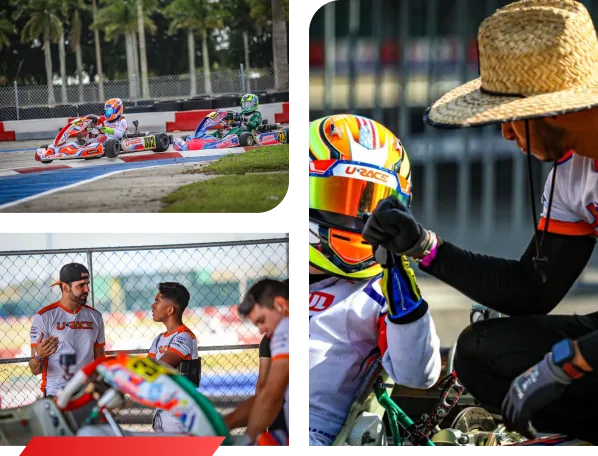
Karting looks like a hobby from the outside, but the skills it demands behind the wheel are the ones researchers tie to healthy child development. A young driver is constantly reading the track, adjusting their line, and making split-second calls under pressure — fast, consequence-driven decision-making that's hard to practice anywhere else.
The research on youth sport backs this up. A large study published in PLOS One found sport's overall impact on child development is strongly positive, including gains in self-esteem and communication. A separate study comparing competitive athletes to recreational and instructional-level peers found the competitive group scored significantly higher on cognitive skills and goal-setting. And researchers who study youth sport broadly — including work out of Texas A&M — point to competition itself as a key driver of resilience: learning to lose a race, work out what went wrong, and come back faster teaches persistence in a way few other childhood activities do.
At URACE Academy, every session is built around that exact process. Coaches don't just teach a driving line — they walk each driver through onboard video and lap-time data, then set a specific target for the next session. It's the same cycle of goal-setting, performance, and reflection the research points to, just happening at 50 mph.
We're not claiming karting replaces coaching, school, or therapy. But for a sport that asks a 7-year-old to process more information per second than almost any other youth activity, it's hard to find a better training ground for focus, composure under pressure, and the discipline to keep improving.